
Rooted
An installation by Leonard Ursachi, curated by Matilda McQuaid.
July 17 – November 30, 2025
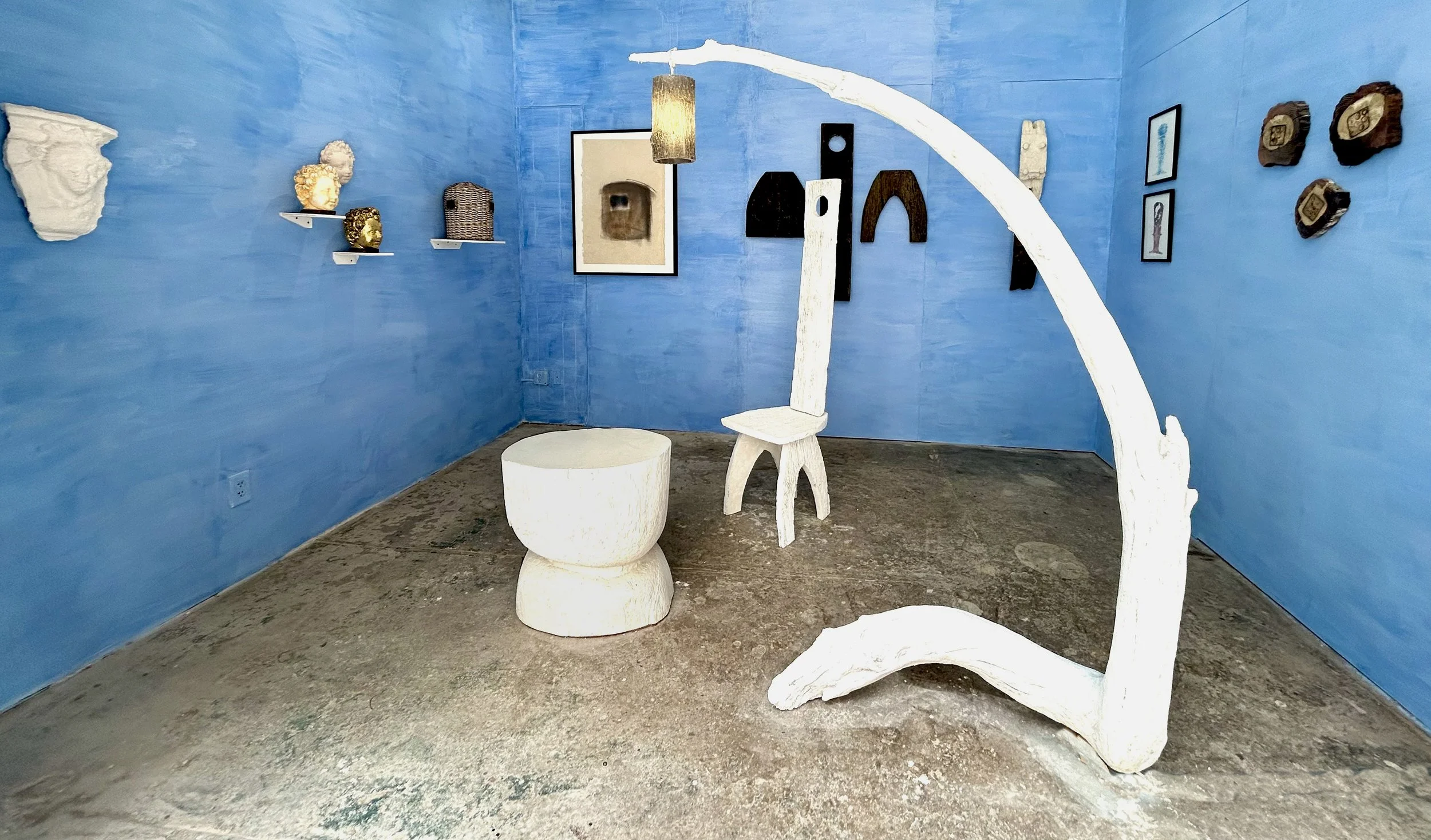
Rooted
For decades, Ursachi has wandered the environs of his DUMBO studio, salvaging driftwood lodged on the East River’s shore, cobblestones displaced by construction, discarded remnants of the old Brooklyn piers and railroad line.
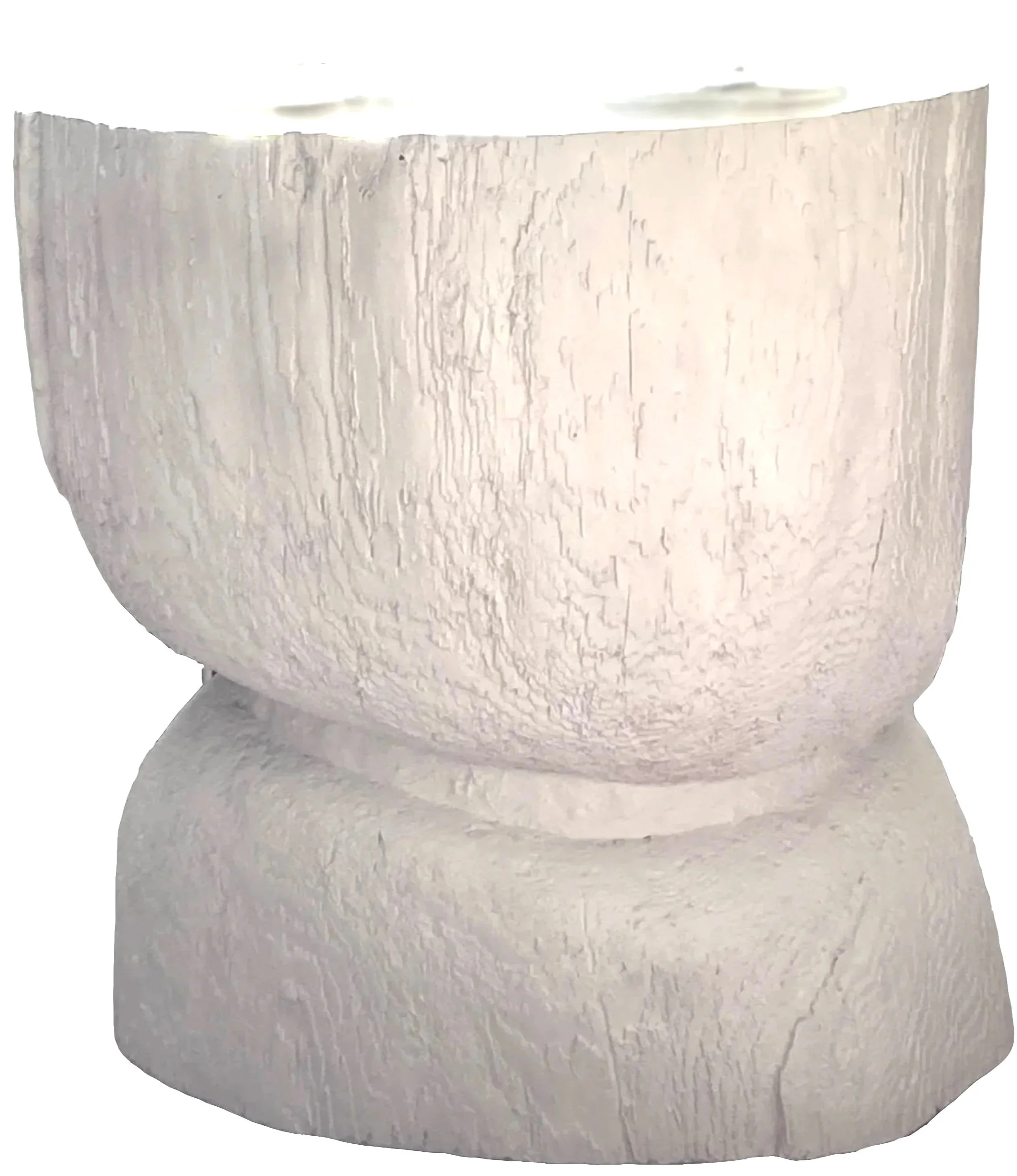
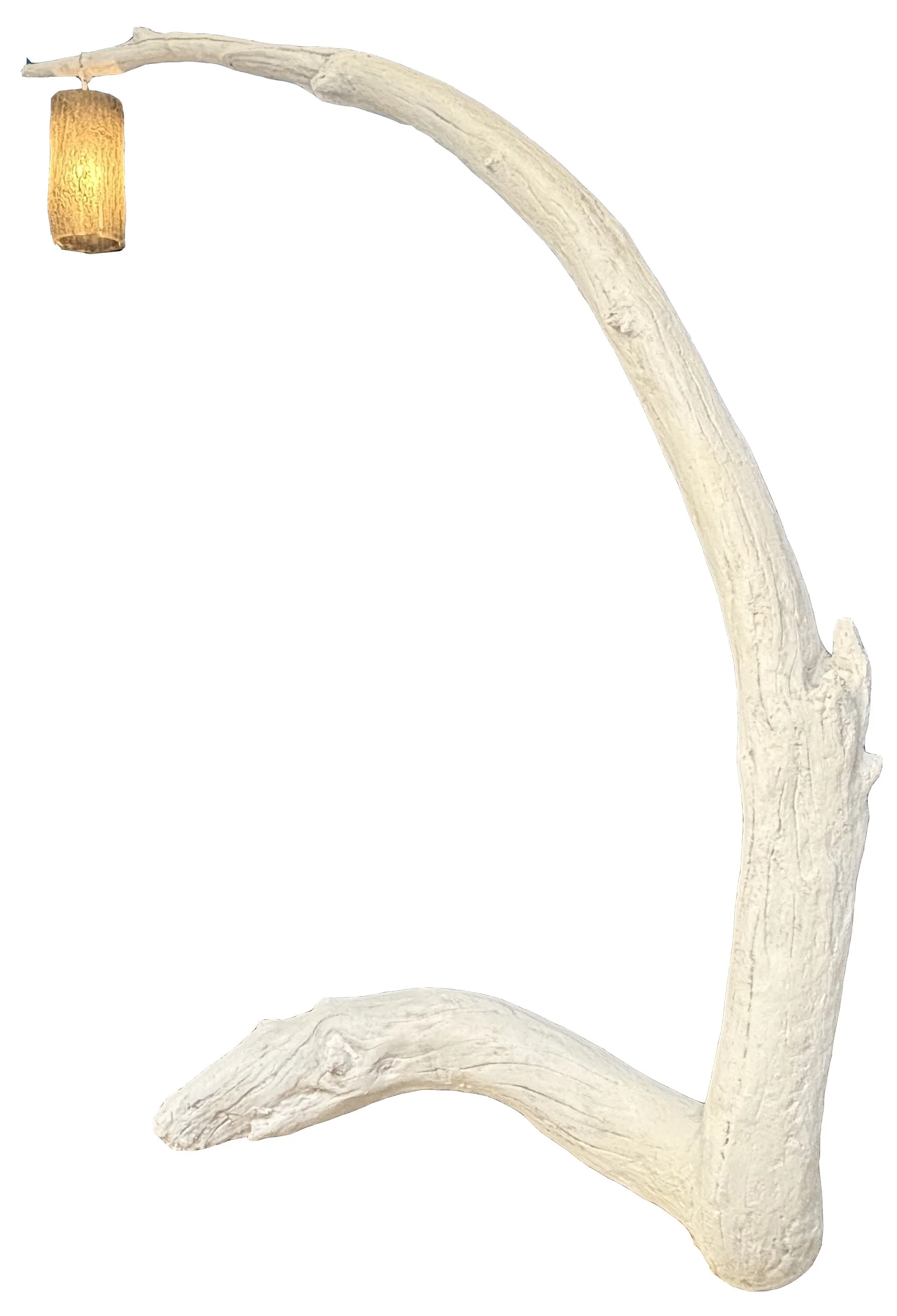
A white table, chair and lamp sit together in the center of the space, evoking community and shelter. Palimpsests, they bear traces of their source: the lamp and table were cast in cement from driftwood and the chair from planks from a long abandoned DUMBO pier. On the gallery walls are drawings, watercolors, and small sculptures and salvaged artifacts.
According to curator McQuaid, “When Leonard defected from Romania, he could not return. His art speaks to the nature of home and the physical, embedded essence of memory. Rooted is a gathering of objects he has collected and transformed, each with a deep sense of place and time, both past and present.”
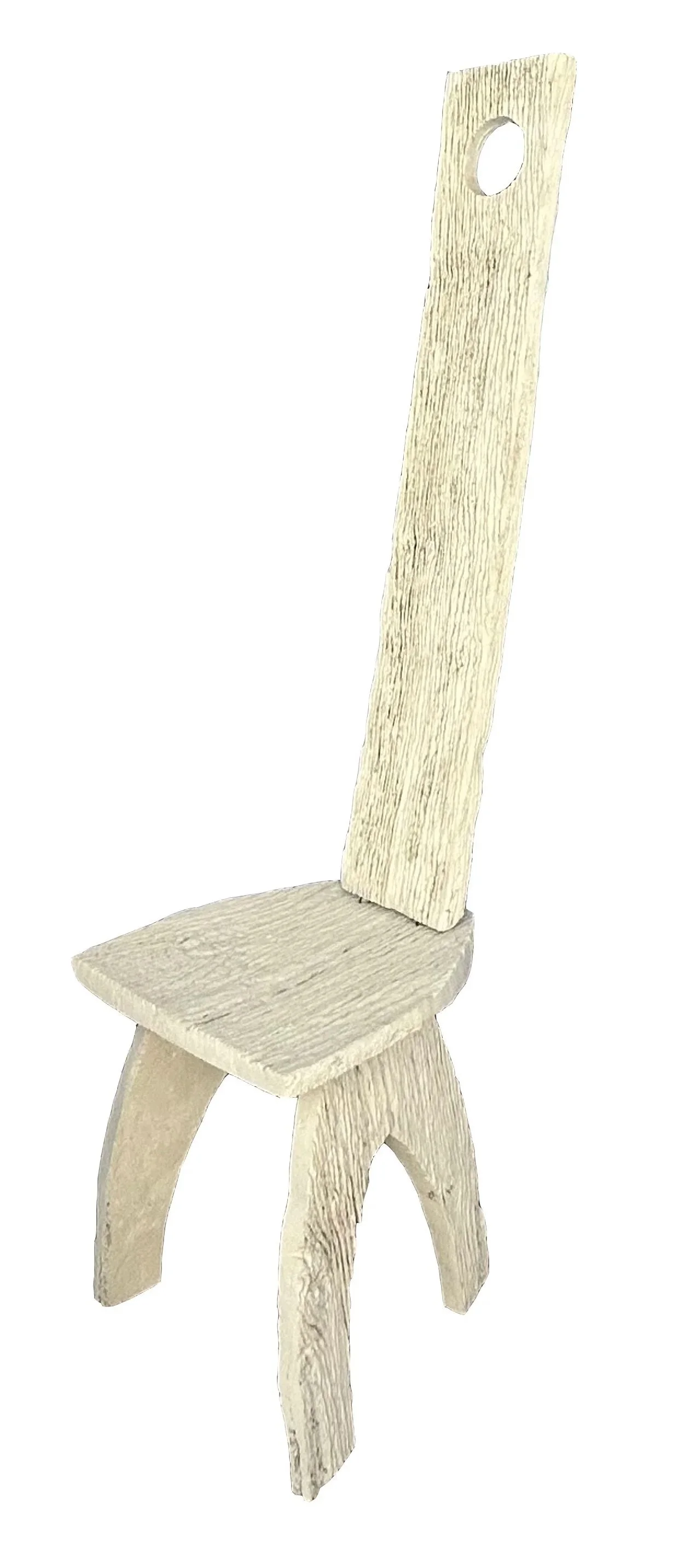
Rooted Chair, 2025. Cement. 67” high x 17.75” wide x 26” deep.
Rooted Table, 2024. Cement. 24” high x 24” wide x 20” deep.
Rooted Lamp, 2025. Cement, electrical lamp fittings, translucent pigmented resin. 84” high x 6” wide x 18” deep.
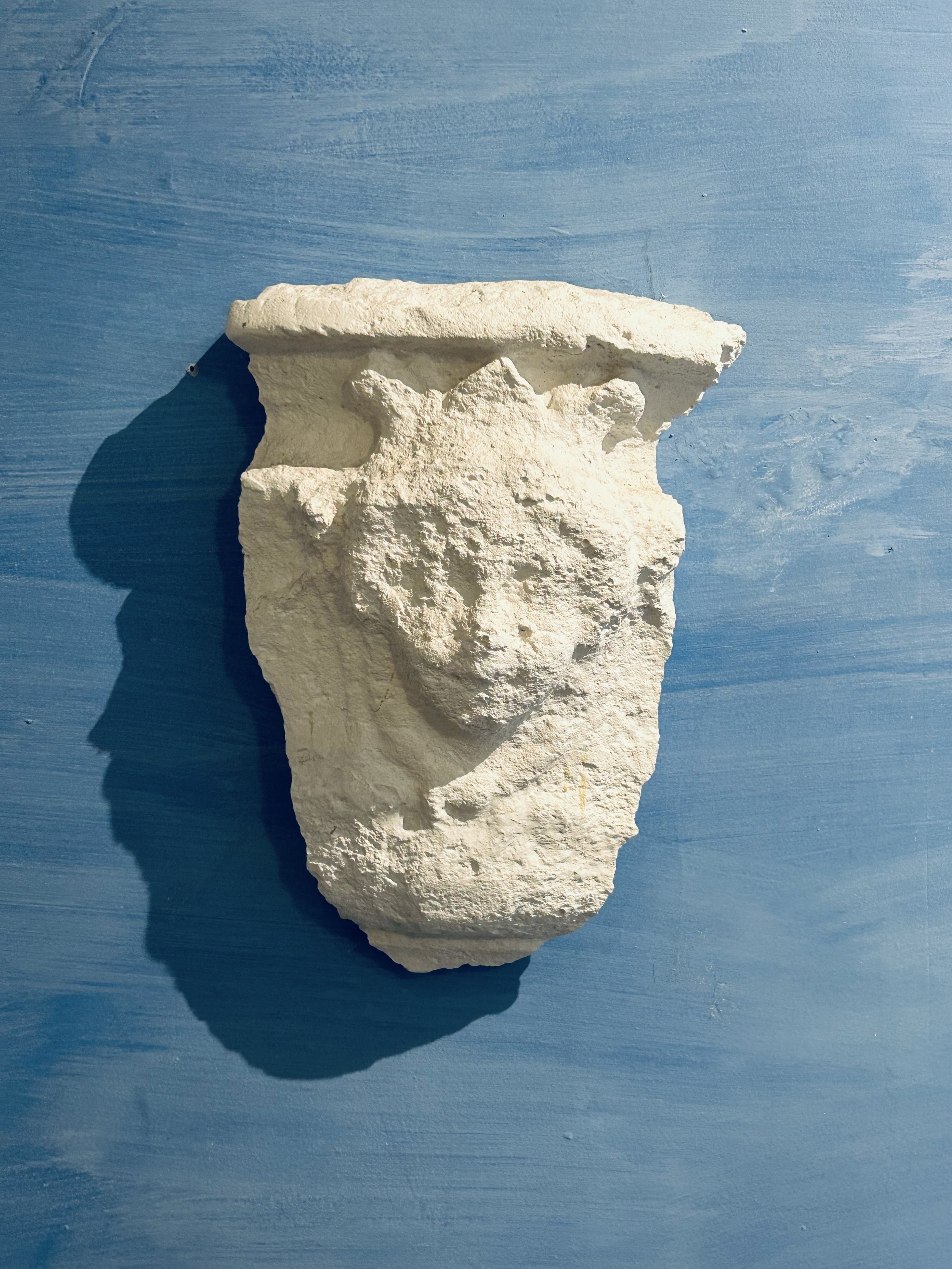
Ursachi cast Trace, with its cherub head, from a French limestone urn that dates to the 1800’s.
“The history of art is a multiplicity of stories, many forgotten or repressed in favor of the dominant narrative of the time,” he says. “Cherubs – powerful creatures that first appeared in Middle Eastern mythology and religions – evolved over millennia into malleable, Western signifiers of Eros, abandon and joy, in kitsch and ‘high art.’”
Trace, 2025. Plaster. 15.5” high x 12” wide x 5” deep.
Fat Boys
Ursachi grew up in Communist-era Romania when citizens were not allowed to leave their country. Bunkers dotted Romania’s borders. Some were remnants of WWII, but many were built during the Cold War to instill fear of outsiders – a government-sponsored bunker mentality.
Ursachi has created numerous “bunker” sculptures – woven from willow branches, covered in turkey feathers, surfaced in ceramic tile. Says Ursachi, “My bunkers aim to evoke not only chauvinism and conflict, but also nests, refuge, and beauty.”
Ursachi’s Fat Boys belong to his bunker series. The large-scale Fat Boy currently exhibited in DUMBO under the Manhattan Bridge was originally commissioned by the John & Mable Ringling Museum of Art in Sarasota, Florida, on whose grounds it was on view for over a year. Fat Boy contains three recessed, mirrored “windows”—referencing a bunker’s embrasures—but Ursachi based its form on a classical Western cherub, or putto. The title refers not only to Fat Boy’s plump, cherubic face, but also to the names of the WWII atomic bombs, Little Boy and Fat Man.

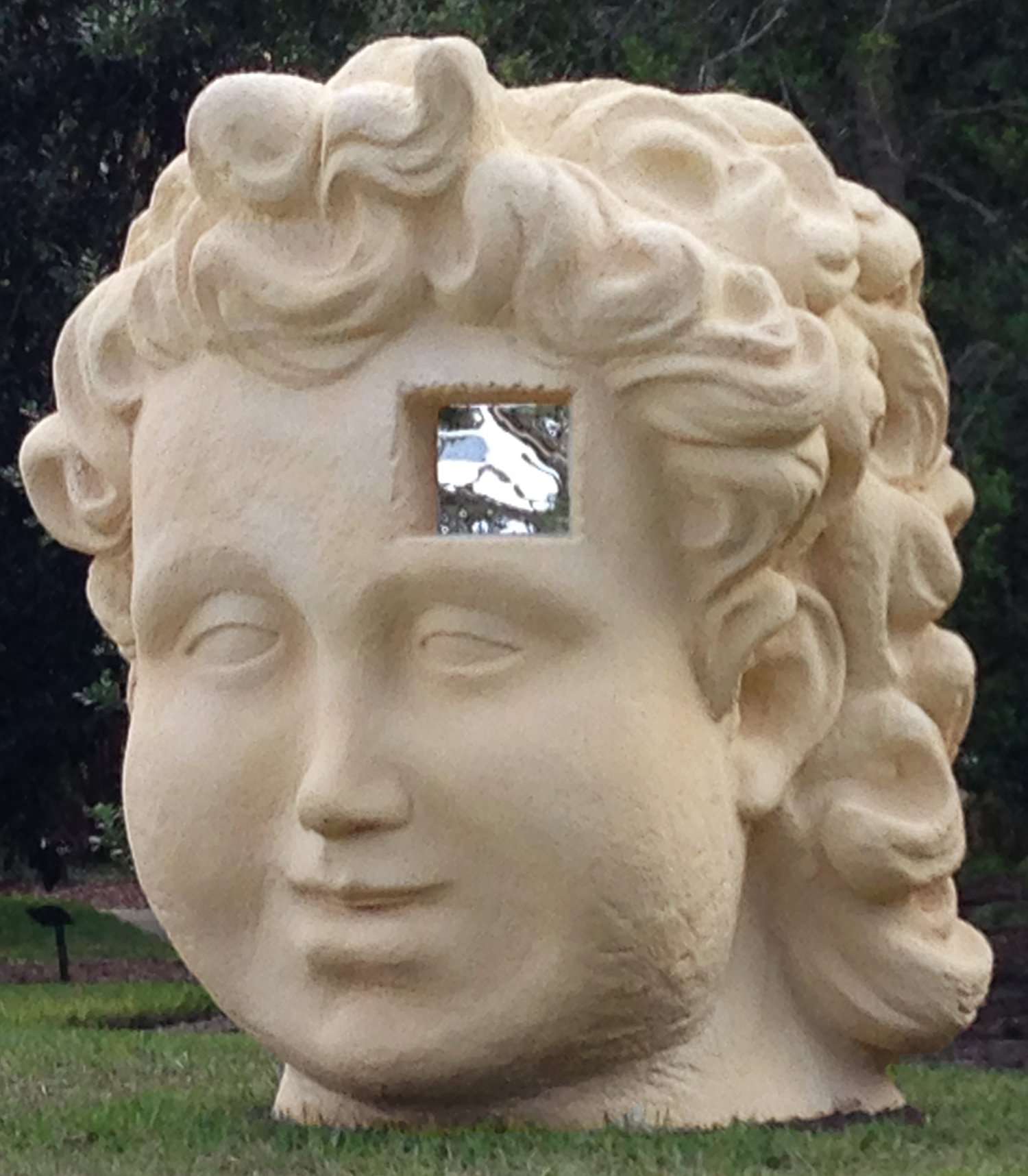
Fat Boy Mask, 2015. Plaster, mirror. 8” high x 7.5” wide x 3.25” deep.
Fat Boy, 2015. Plaster, pigment, mirror, wood base. 8” high x 7.5” wide x 3.25” deep.
Fat Boy (Golden), 2015. Cast rigid foam, mirror, 21 carat gold leaf, wood base. 8” high x 7.5” wide x 3.25” deep.
Fat Boy (Sarasota), 2013. Styrofoam, Styrocrete, pigment, stainless steel mirrors and armature. 118” high x 98” diameter.
Hiding Place
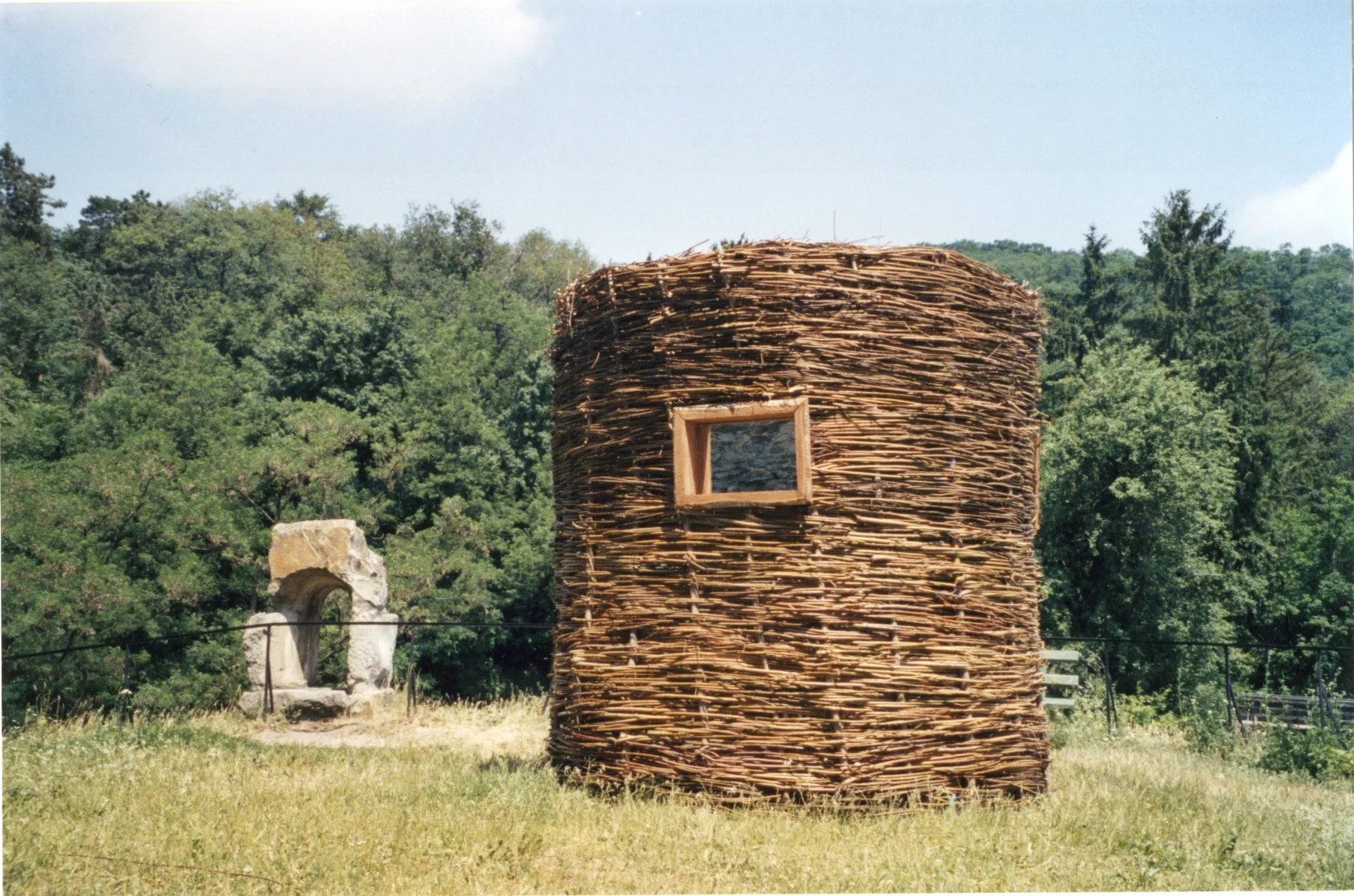
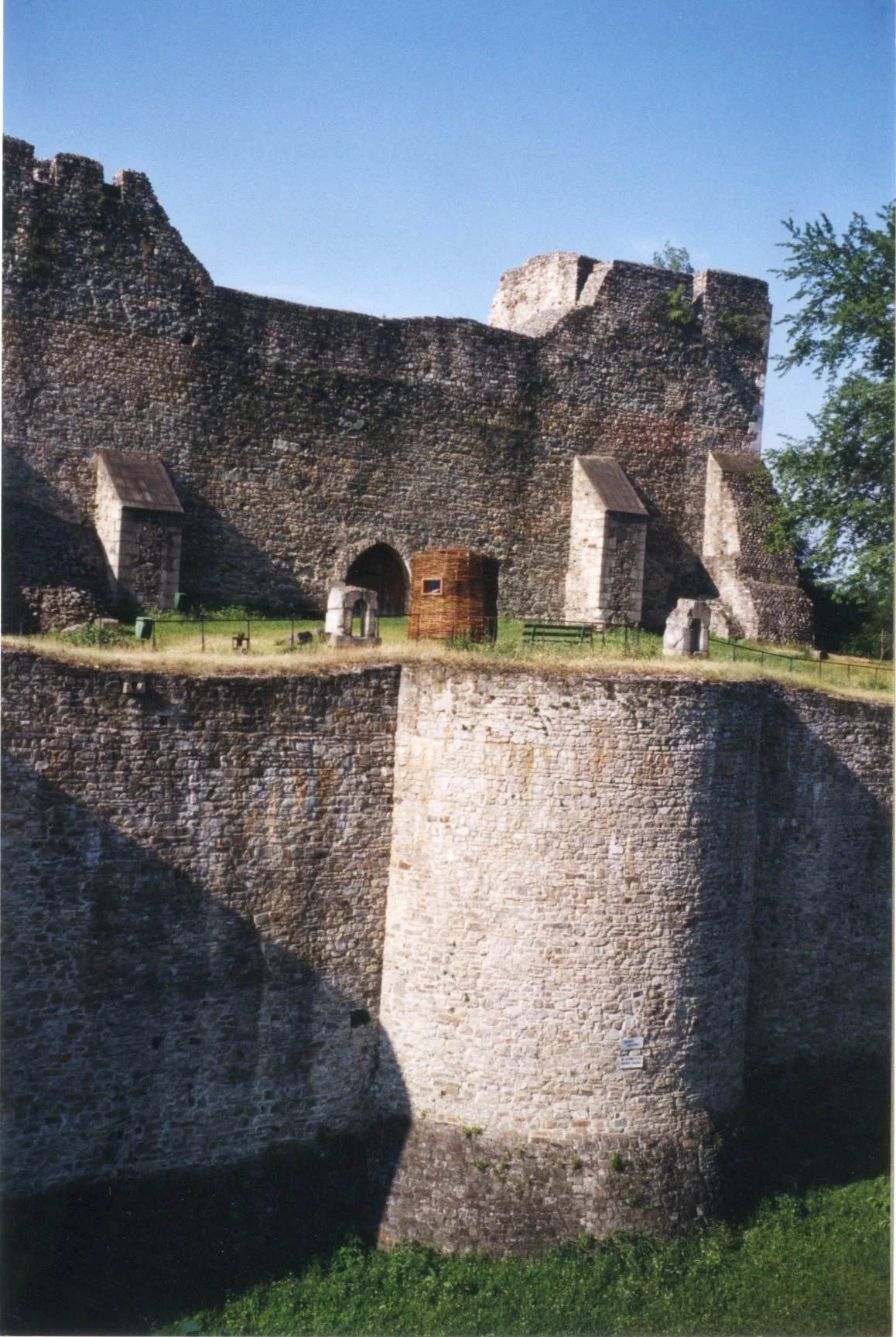
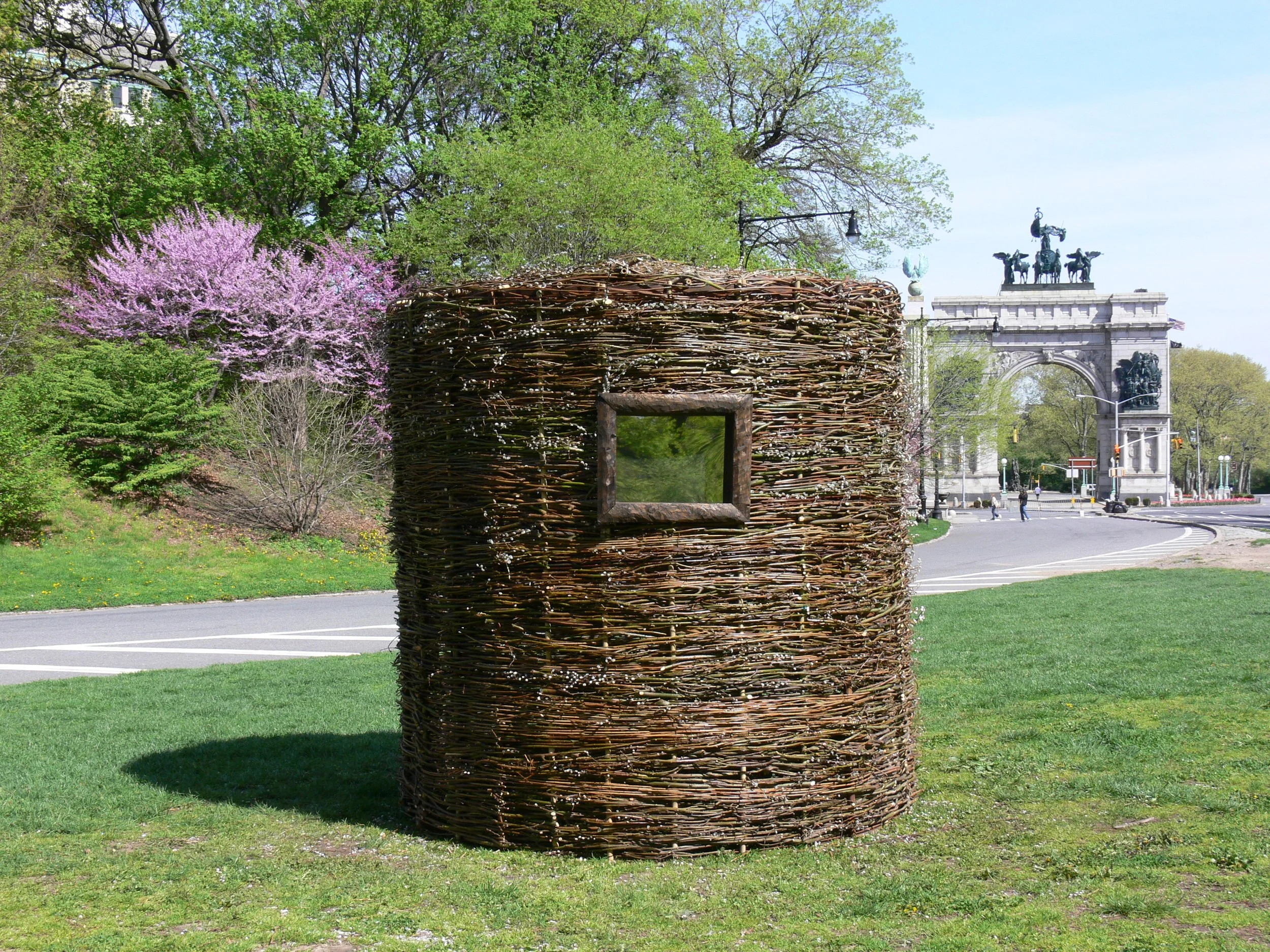
Ursachi created the original, large-scale Hiding Place bunker for a museum in Romania; it was exhibited beside a 15th-century fortress in the Carpathian Mountains, a site that had a profound impact on him as a child. The fortress, with its massive stone walls, was a muscular symbol of war, of “us” versus “them” – symbols that were dusted off and given a fresh gloss by the Communists. Because it lacks a door and its “windows” are reflective shields, viewers can only imagine its interior. With Hiding Place, Ursachi continues his investigation into the world of porous borders, vulnerable shelters, and mutating identities that is the 21st century experience of home.
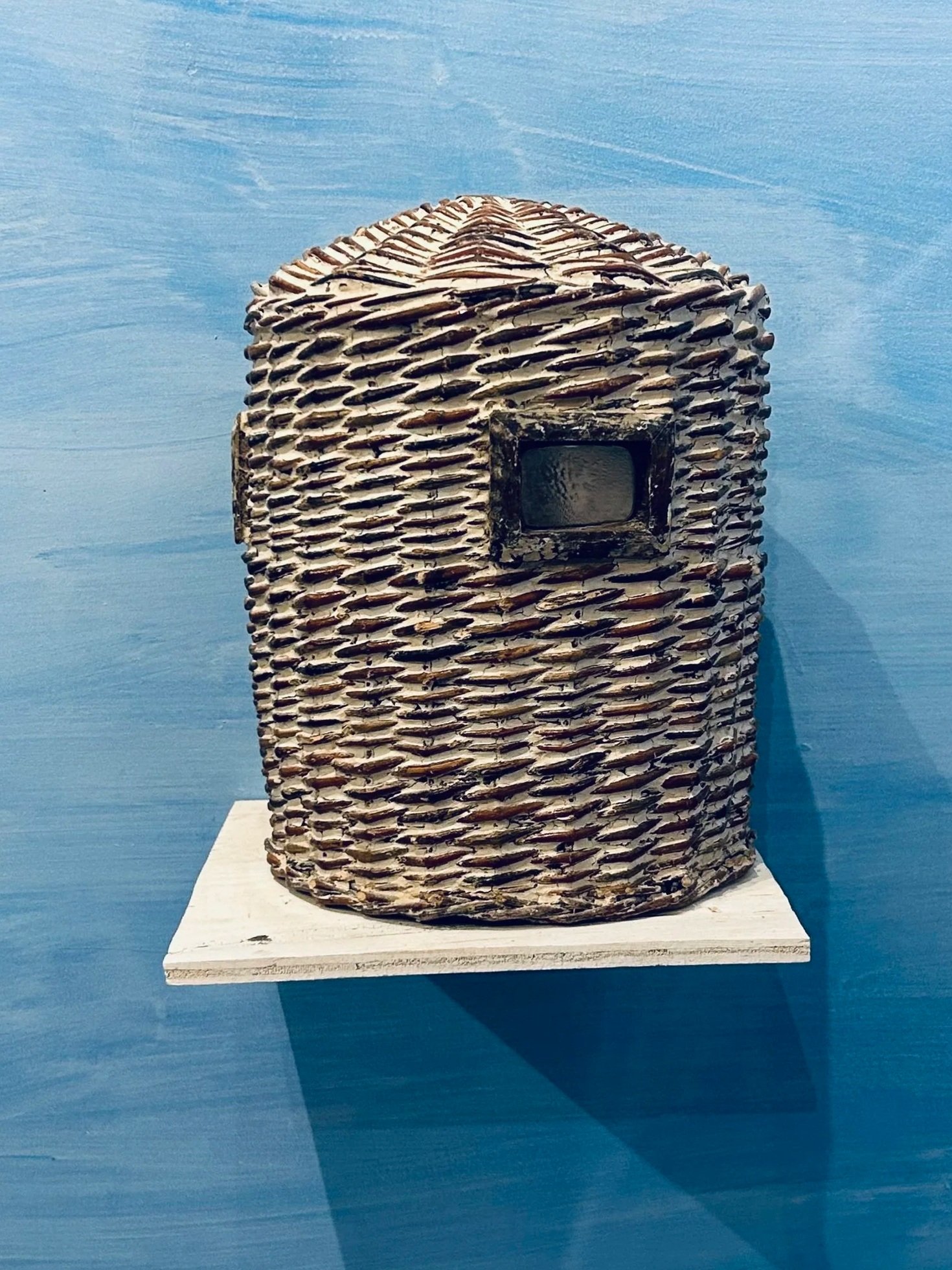
Hiding Place, 2003. Willow branches, clay, mirrors. 14” high x 11” diameter.
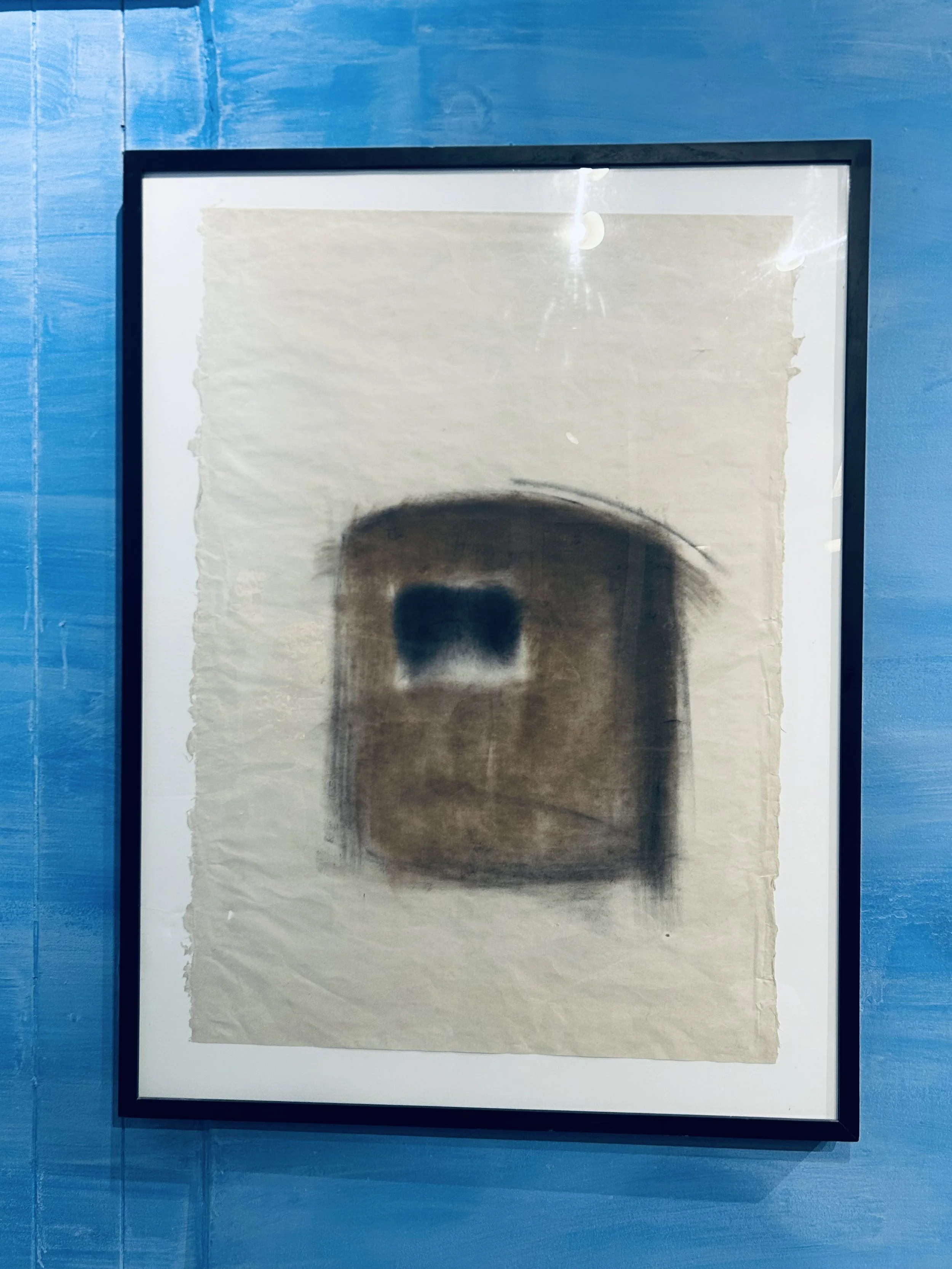
Bunker, 1998. Charcoal, pigment on rice paper. 40” high x 30” wide (framed).
Hiding Place in Tirgu Neamt, Romania, 2003. Willow branches, wood, mirrors. 110” high x 100” diameter.
Hiding Place in Tirgu Neamt, Romania, 2003. Willow branches, wood, mirrors. 110” high x 100” diameter.
Hiding Place in Prospect Park, Brooklyn, 2007. Willow branches, wood, stainless steel mirrors. 98” high x 98” diameter.